

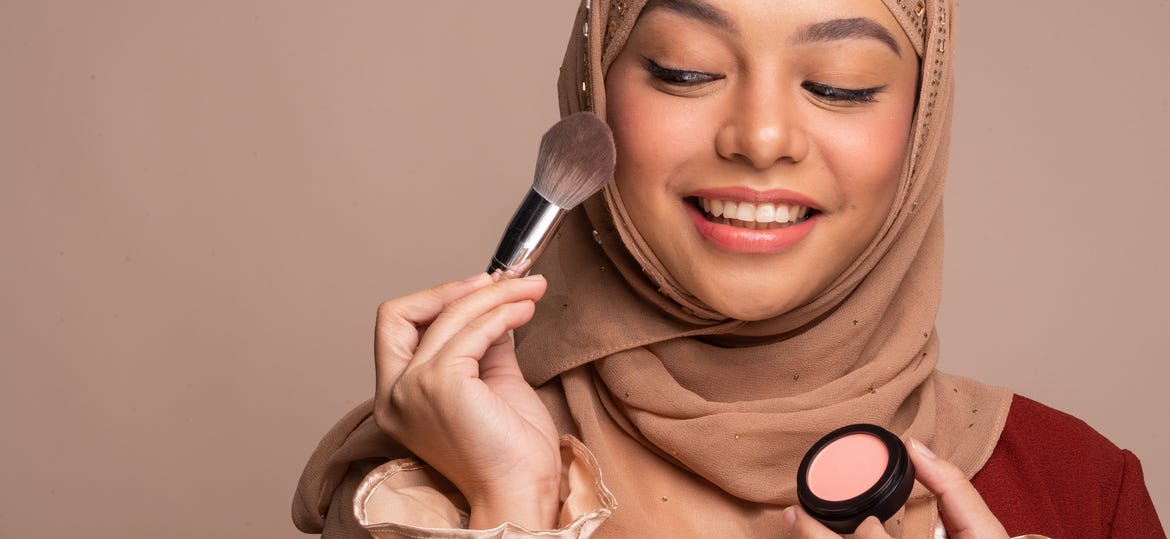
Halal Cosmetics
Purity & ethics in cosmetics: Halal skincare
Halal cosmetics: purity and ethics in skincare
The world of cosmetics is constantly evolving, and the demand for pure, safe and ethically produced skincare products is steadily growing. Alongside natural cosmetics and vegan products, a concept that goes far beyond individual ingredients is increasingly coming to the fore: halal cosmetics. Originally valued primarily for religious reasons, halal cosmetics have developed into a symbol of conscious consumption and high standards of purity. But what exactly does this term mean, and what benefits does this type of skincare offer?
What does ‘halal’ mean in cosmetics?
The word ‘halal’, also known as ‘helal’, comes from Arabic and roughly translates as ‘permitted’ or ‘pure’. In relation to cosmetic products, this means that all ingredients and the entire manufacturing process are subject to strict guidelines. Substances such as intoxicating alcohol (ethanol) and ingredients derived from pigs, including certain types of gelatine or collagen, are strictly prohibited. Similarly, ingredients derived from animals that have not been slaughtered in accordance with Islamic regulations, as well as certain insect-derived ingredients such as the red dye carmine, are not permitted. Instead, these products use plant-based, mineral-based or suitable synthetic alternatives.
Strict hygiene and ethical production
A key criterion for halal cosmetics is the rigorous monitoring of the entire production chain. It is not only about the formula in the jar, but also the environment in which the product is manufactured. Cross-contamination with ‘impure’ (haram) substances must be completely avoided. This requires exceptionally high hygiene standards in production facilities. Animal welfare also plays a central role. Although halal cosmetics do not necessarily have to be vegan, as ingredients such as beeswax or honey may be permitted under certain conditions, animal cruelty is strictly rejected. Many halal brands, therefore, also carry a ‘cruelty-free’ certification.
The difference between halal, vegan and natural cosmetics
The terms are often used interchangeably, but there are important differences. Whilst a vegan cosmetic product completely avoids animal-derived ingredients, it may still contain high concentrations of alcohol, which means it is not necessarily halal. Conversely, certified natural cosmetics may contain animal-derived ingredients such as carmine, which is prohibited in halal skincare. Halal certification, therefore, offers an option for those who wish to avoid certain types of alcohol while also placing high importance on ethical standards and product purity.
Gentle and kind to the skin: the benefits
The absence of ethanol can offer benefits for skincare. Conventional alcohol is often used in cosmetics as a preservative or solvent, but it can affect the skin’s protective barrier and contribute to moisture loss. By omitting this ingredient, halal cosmetics can be particularly gentle and may be suitable for sensitive skin or skin prone to dryness. These skincare products can help the skin feel supple and maintain its natural balance without unnecessary irritation.
Who are halal cosmetics suitable for?
The philosophy behind this cosmetics category has long appealed to more than just people of the Muslim faith. Anyone who values transparency, strict ethical standards and gentle, alcohol-free formulations may find halal cosmetics a valuable addition to their daily beauty routine. They offer a mindful approach that combines daily skincare with ethical awareness.
Discover our full range of halal products.
Related products
-
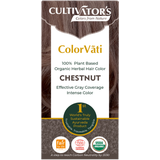
CULTIVATOR'S ColorVãti Organic Herbal Hair Colour - 15 Chestnut, 100 g
- For grey hair coverage
- Chestnut brown nuances
- Freshness & fullness
-
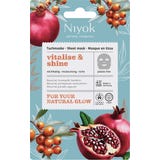
Niyok Vitalise & Shine Moisturising Sheet Mask, 10 ml
- For all skin types
- Moisturises the skin
- Compostable cloth fibre
-
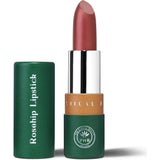
PHB Ethical Beauty Organic Rosehip Satin Sheen Lipstick, Cranberry (10 g)
- Cranberry
- Tea Rose
- Blossom
- Plum
- Sienna
- Light, silky shine
- Creamy & long-lasting
- Smooths & plumps the lips
-
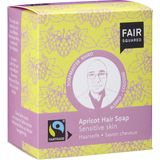
FAIR SQUARED Apricot Hair Soap, 160 g
- For sensitive & dry scalp types
- Moisturising properties
- Soothing effects
Magazine Articles:
Discover Ecco-Verde:
-
Ireland: Free standard delivery from € 64,90
-
Free
returns -
Get at least 1 free sample
per order More than 18.850 products
